


If you have ever felt stiff, stressed out, or energetically drained, you have likely looked into various types of massage therapy. While Swedish and Deep Tissue massages are widely known in the West, there is an ancient healing art that offers a completely different, highly transformative experience: Traditional Thai Massage.
Stepping into the world of Eastern bodywork can be slightly intimidating if you don’t know what it entails. You might have heard it referred to as “lazy man’s yoga” or wondered if you have to be super flexible to enjoy it. If you are entirely new to this modality, you are in the right place.
This comprehensive guide to Thai massage for beginners will walk you through exactly what this ancient practice is, the incredible benefits it offers, how to prepare, and step-by-step what to expect during your first session at The Touch Massage. By the end of this article, you will be counting down the days until your appointment!
What is Traditional Thai Massage?
Before diving into what happens during a session, it is helpful to understand the rich history behind the practice. Traditional Thai massage, known in Thailand as Nuad Boran (which translates to “ancient healing touch”), is a therapeutic system that has been practiced for over 2,500 years.
Its roots trace back to India, and the founding father is believed to be Jivaka Kumar Bhaccha (often referred to as Dr. Shivago), a legendary physician and contemporary of the Buddha. As Buddhism spread to Southeast Asia, so did this intricate system of healing.
Unlike Western massage styles that focus primarily on manipulating muscles and tissues, Thai massage is a holistic practice. It combines acupressure, Indian Ayurvedic principles, and assisted yoga postures. The core philosophy revolves around the concept of “Sen” lines—invisible pathways in the body through which life force energy (Prana or Qi) flows. When these energy lines become blocked due to physical trauma, bad posture, or emotional stress, it can lead to pain and illness. A Thai massage practitioner uses their hands, thumbs, elbows, forearms, and even their feet to clear these blockages and restore balance to your body.
Why is Thai Massage for Beginners Such a Great Idea?
You might be wondering: Is this the right massage for me if I’ve never had one before? Absolutely. Thai massage for beginners is a fantastic introduction to bodywork for several reasons:
-
You stay fully clothed: Many beginners feel self-conscious or vulnerable taking off their clothes for a traditional oil massage. In Thai massage, you remain fully clothed the entire time, which provides a deep sense of comfort and security.
-
It is highly interactive: You aren’t just lying face down in a dark room. You are moved, stretched, and rocked, making it an engaging experience that forces you to be present.
-
Customizable pressure: Because the therapist uses their body weight and various tools (like broad palms for gentle pressure or thumbs for deep point work), the massage can be easily adjusted to suit your exact comfort level.
The Incredible Health Benefits of Thai Massage
People don’t just book Thai massages for a temporary hour of relaxation; they book them for the profound, long-lasting health benefits. Whether you are an athlete, a desk worker, or someone seeking stress relief, here is why you will love it:
1. Increases Flexibility and Range of Motion
Because Thai massage incorporates assisted stretching (often resembling yoga poses), it naturally improves your flexibility. The practitioner gently moves your limbs and joints through their full range of motion, stretching muscles that are often neglected. Over time, this helps loosen tight joints, reduces stiffness, and prevents injuries.
2. Relieves Back Pain and Joint Tension
If you spend hours hunched over a computer, your back, neck, and shoulders are likely suffering. Thai massage focuses heavily on releasing tension along the spine and opening up the chest and shoulders. Studies have shown that Traditional Thai massage is highly effective at reducing lower back pain and improving mobility.
3. Boosts Circulation and Lymphatic Flow
The rhythmic compressions and stretches used in Thai massage act like a pump for your cardiovascular and lymphatic systems. This encourages oxygen-rich blood to flow to your muscles and organs while simultaneously helping the body flush out metabolic waste and toxins.
4. Reduces Stress and Anxiety
Despite being an active form of massage, Thai massage is deeply relaxing. The slow, rhythmic pacing of the practitioner’s movements helps shift your nervous system from the “fight or flight” sympathetic state into the “rest and digest” parasympathetic state. This lowers cortisol levels (the stress hormone) and boosts serotonin and dopamine (the happy hormones).
5. Revitalizes Energy Levels
While a Swedish massage might make you want to go straight to sleep, a Thai massage often leaves you feeling invigorated, energized, and clear-headed. By clearing the blockages in your Sen lines, your vital energy can flow freely, leaving you with a profound sense of rejuvenation.
How to Prepare for Your First Thai Massage
Preparation is key to ensuring you have the best possible experience. If you are exploring Thai massage for beginners, follow these simple pre-appointment tips:
What to Wear
Edmonton Thai Massage does not use oils or lotions, you will be fully clothed. However, you cannot wear just anything. Dress in loose-fitting, comfortable clothing that allows for a full range of motion. Think yoga pants, sweatpants, or loose shorts, paired with a comfortable, non-restrictive t-shirt. Avoid jeans, tight belts, skirts, or anything with heavy zippers and buttons that could dig into your skin when you are pressed or stretched.
Eating Beforehand
Avoid eating a heavy meal right before your appointment. Because the massage involves deep abdominal compressions, twists, and being moved around, a full stomach will make you incredibly uncomfortable. Try to eat a light meal or snack at least 1.5 to 2 hours before your session.
Hydration
Drink plenty of water on the day of your massage. Well-hydrated muscles are more pliable and easier to stretch. Hydration also preps your body to efficiently flush out the toxins that will be released during the treatment.
Arrive Early to Communicate
Arrive at The Touch Massage 10 to 15 minutes early. This gives you time to fill out any necessary intake forms and use the restroom. More importantly, it gives you time to talk to your massage therapist. Tell them that this is your first Thai massage. Inform them of any injuries, surgeries, chronic pain areas, or places you simply do not want to be touched.
What to Expect During the Session: A Step-by-Step Guide
The unknown is often the biggest hurdle for beginners. Here is a play-by-play of exactly what you can expect to happen once you walk into the massage room.
1. The Setup: The Floor Mat
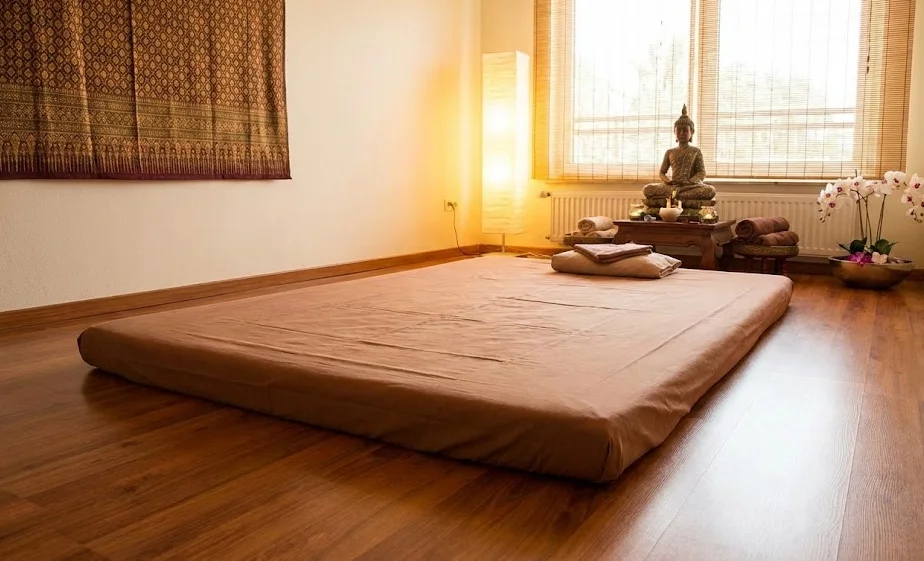
You won’t be climbing onto a high, narrow massage table. Traditional Thai massage is performed on a firm, comfortable mat placed directly on the floor. This allows the practitioner to easily move around you, utilize their body weight, and safely guide you into various stretches without the risk of you falling off a table.
2. Starting at the Feet
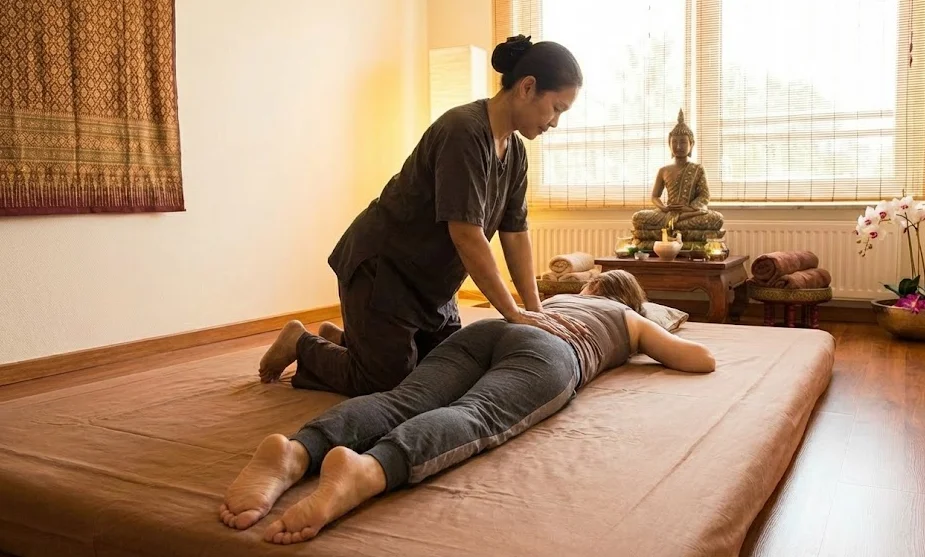
Thai massage typically works from the bottom up. In Thai philosophy, the head is sacred (the highest point of the body), and the feet are the lowest. Starting at the feet helps ground your energy. The therapist will use their palms and thumbs to apply rhythmic compressions to your feet and calves, slowly moving up your legs.
3. Rhythmic Compressions and Palming
You will notice a distinct rhythm to the massage. The therapist will use palm presses and thumb walks along your muscles and energy lines. The pressure is applied on the exhale and released on the inhale. This repetitive, rocking motion is almost hypnotic and helps lull your body into a deep state of relaxation.
4. Assisted Yoga Stretches
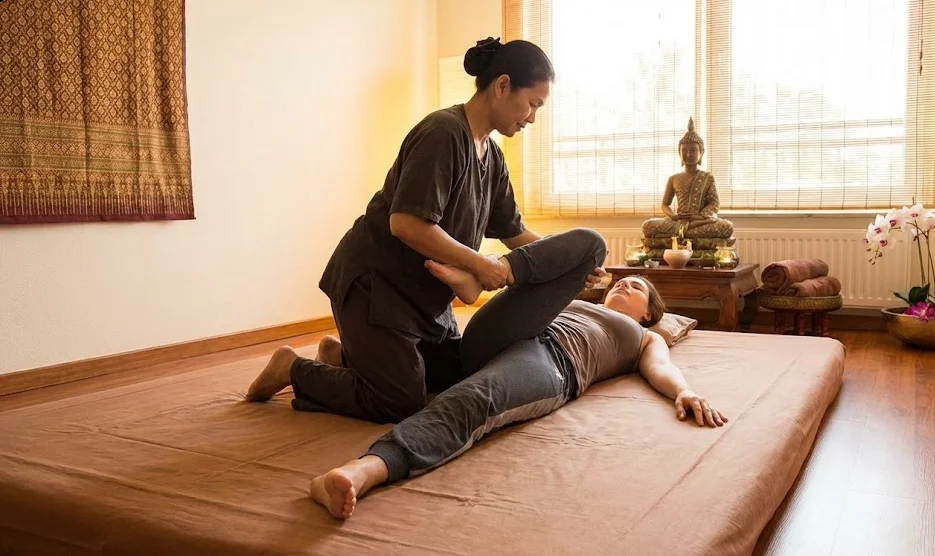
This is where the “lazy man’s yoga” nickname comes in. As your muscles warm up, the therapist will begin moving your body into different stretches. They might pull your arms back to open your chest, gently twist your spine, or fold your legs into a figure-four stretch. Do you need to be flexible? Not at all! A skilled therapist will only stretch you to your natural limit. You do not need to “help” the therapist by holding your limbs up; your only job is to stay completely limp, breathe deeply, and let them do all the heavy lifting.
5. Using the Whole Body
Don’t be surprised if your therapist uses more than just their hands. In Thai massage, it is completely normal for the practitioner to use their forearms to roll out your thighs, their elbows to target deep knots in your shoulders, or even their feet to pin down your legs while they pull your arms backward. It is a full-body dance between the giver and the receiver.
6. Ending with the Head and Face
The session typically concludes with deeply soothing work on your neck, head, and face. This final phase relieves tension headaches, relaxes jaw clenching, and leaves you in a state of blissful tranquility before you slowly get up.
Does Thai Massage Hurt?
This is one of the most common questions surrounding Thai massage for beginners. The short answer is: It shouldn’t hurt, but it can be intense.
Thai massage is known for being more rigorous than a standard relaxation massage. When the therapist hits a tight muscle or a blocked energy point, you may feel a sensation known as “good pain”—the kind of deep, satisfying pressure that feels like a knot is finally melting away.
However, sharp, breath-taking, or wince-inducing pain is never the goal. The golden rule of any massage is communication. If the pressure is too deep, or a stretch goes too far, simply say, “Could you lighten the pressure?” or “That stretch is a bit too much.” Your therapist will immediately adjust. As a beginner, it is entirely okay to ask for a gentle session while your body gets used to this new style of bodywork.
Post-Thai Massage Care: What to Do After Your Session
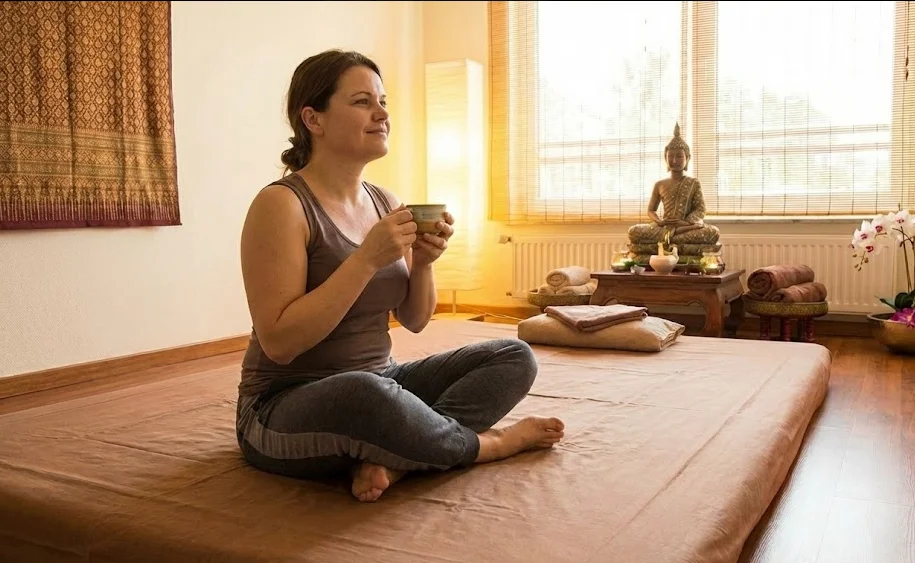
The benefits of a Thai massage continue long after you leave the mat. To maximize your results, follow these post-massage care tips:
-
Drink Lots of Water: Your muscles have just been deeply compressed, releasing built-up lactic acid and metabolic waste into your bloodstream. Drink plenty of water over the next 24 hours to help your kidneys flush these toxins out of your body.
-
Take it Easy: Even though you may feel energized, treat your body with kindness. Avoid heavy weightlifting, intense cardio, or strenuous chores immediately following your session.
-
Expect Mild Soreness: If you are a beginner, it is completely normal to feel a bit of muscle soreness the next day—similar to how you feel after a good workout or a new yoga class. This usually dissipates within 24 to 48 hours, leaving you feeling looser and lighter.
-
Take a Warm Bath: If you do feel sore, soaking in a warm bath with Epsom salts can soothe your muscles and prolong the relaxed state of your nervous system.
Thai Massage vs. Western Massages: Which is Right for You?
If you are still on the fence about whether to book a Thai massage or stick to what you know, here is a quick comparison:
Swedish Massage:
-
Done on a table, undressed (draped with a sheet).
-
Uses oils/lotions with long, gliding strokes (effleurage).
-
Primary goal: Pure relaxation, superficial muscle tension relief, and sleep promotion.
-
Passive experience.
Deep Tissue Massage:
-
Done on a table, undressed.
-
Uses minimal oil with slow, forceful strokes targeting deep muscle layers.
-
Primary goal: Relieving chronic pain, breaking down scar tissue, and fixing severe muscle knots.
-
Passive experience.
Traditional Thai Massage:
-
Done on a floor mat, fully clothed.
-
No oil used; incorporates acupressure, rocking, and deep stretching.
-
Primary goal: Restoring energy flow, drastically improving flexibility, and holistic full-body alignment.
-
Interactive, dynamic experience.
If you feel stiff, crave a deep stretch that you can’t achieve on your own, or simply want to try a therapy that balances both your physical body and your energetic mind, Thai massage is the clear winner.
Frequently Asked Questions (FAQs)
1. How often should I get a Thai massage?
For general maintenance and stress relief, once a month is fantastic. However, if you are actively trying to improve your flexibility, heal from minor musculoskeletal stiffness, or manage high stress, coming in every two weeks is highly beneficial.
2. Can I get a Thai massage if I am pregnant?
If you are pregnant, you should always consult your doctor before booking any massage. Traditional Thai massage involves deep abdominal work, intense stretching, and lying flat on your back or stomach, which is not suitable for pregnancy. However, many therapists are trained in Prenatal Thai Massage, modifying the practice with side-lying postures and gentle pressure. Always inform the clinic when booking!
3. I am not flexible at all. Will I look silly?
Absolutely not! Thai massage was practically invented for people who lack flexibility. Your therapist is a trained professional who knows exactly how to read your body’s limits. They will do the work for you, gently coaxing your muscles to lengthen over time.
4. How long should a Thai massage session be?
While a 60-minute session is a great introduction, a 90-minute or 120-minute session is highly recommended for Thai massage. Because it is a full-body sequence that requires a slow, rhythmic pace to clear all the Sen lines, 90 minutes gives the therapist ample time to work thoroughly without rushing the stretches.
Ready to Experience the Magic of Thai Massage?
Embarking on your first Thai massage journey is an exciting step toward better physical health, mental clarity, and profound relaxation. Now that you know exactly what to expect, from the floor mat to the assisted yoga stretches, there is nothing left to fear.
By remaining fully clothed, communicating openly with your therapist, and allowing your body to let go of its held tension, you will quickly discover why this 2,500-year-old practice has stood the test of time.
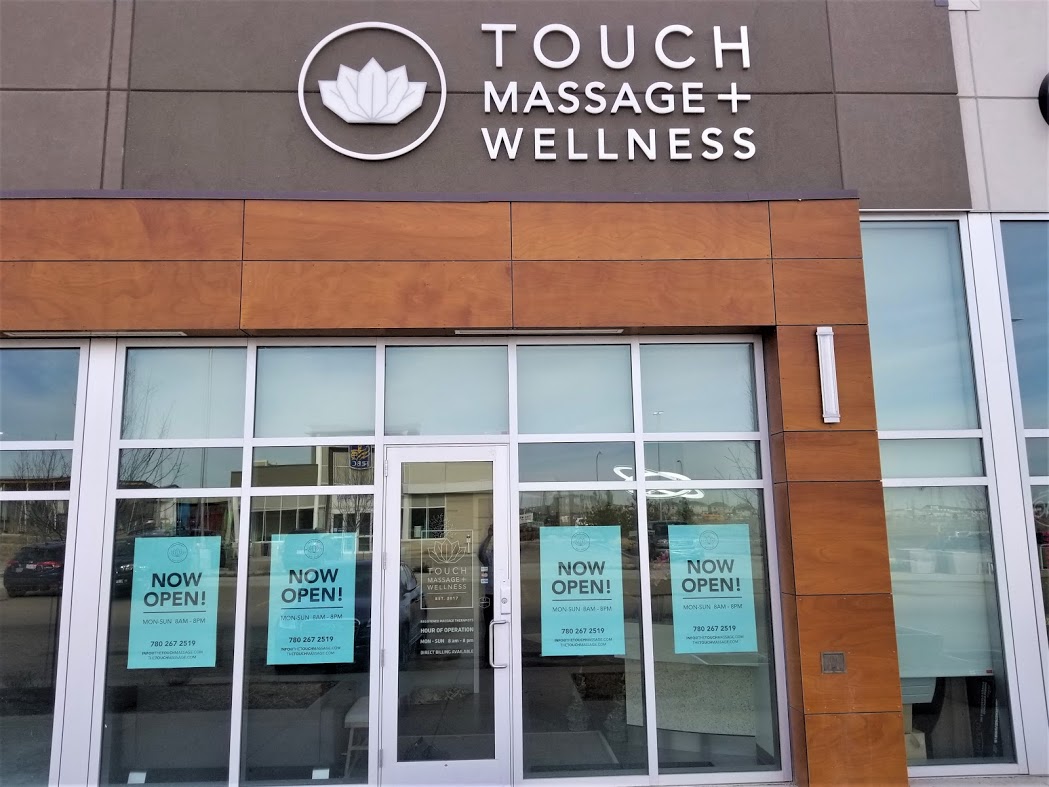
If you are looking for the perfect place to try Thai massage for beginners, look no further than The Touch Massage. Our highly trained, compassionate therapists are experts at tailoring each session to your specific comfort level, ensuring your first experience is nothing short of magical.
Don’t let stiffness and stress hold you back from feeling your best.
Click here to book your Traditional Thai Massage at The Touch Massage today! Your mind, body, and spirit will thank you.
