



If you spend eight or more hours a day hunched over a keyboard, you are likely no stranger to the dreaded 3:00 PM tension headache. For many Edmonton professionals, the combination of endless screen time, looming deadlines, and poor home-office ergonomics leads to a chronic, aching tightness in the neck, shoulders, and upper back.
You might try to stretch it out, adjust your chair, or down another cup of coffee to power through the afternoon. But the tension always comes back. While a firm deep tissue massage is wonderful for working out stubborn, localized muscle knots, sometimes your body needs a profoundly different, gentler approach to hit the “reset” button on your nervous system.
Enter Craniosacral Therapy (CST).
We frequently recommend Craniosacral Therapy to our desk-bound clients. But what exactly is this modality, how does it work, and why is it the ultimate rescue remedy for office workers? In this comprehensive guide, we will explore exactly how this gentle therapy can melt away the tension of the daily grind and help you reclaim your comfort and focus.
The Modern Epidemic: Why Desk Work Wreaks Havoc on Your Body
Before we dive into the solution, it is vital to understand the problem. The human body was designed for movement, not for staring at a glowing rectangle for 40 hours a week. In a bustling city like Edmonton, where many of us commute in heavy traffic and then transition straight to an office chair, our bodies are subjected to prolonged static postures.
The Anatomy of “Tech Neck”
When you look at a computer screen, there is a natural tendency to let your head drift forward. This is commonly referred to as “tech neck” or forward head posture. For every inch your head moves forward out of alignment with your spine, the weight your neck muscles must support effectively doubles. A head that naturally weighs 10 to 12 pounds can suddenly exert 30 to 40 pounds of force on the delicate structures of your cervical spine.
Over time, this constant strain overworks the muscles at the back of your neck (the suboccipitals) and your upper shoulders (the upper trapezius and levator scapulae). These muscles become locked in a state of continuous contraction, leading to stiffness, reduced range of motion, and pain.
The Ripple Effect of Poor Posture
The damage doesn’t stop at your neck. When your shoulders round forward over a keyboard, your chest muscles (pectorals) become short and tight, while your mid-back muscles become weak and overstretched. This imbalance restricts your breathing, limiting the amount of oxygen that reaches your brain and muscles.
Furthermore, the physical stress of maintaining this poor posture sends a continuous low-level stress signal to your brain. Your sympathetic nervous system—the “fight or flight” mechanism—remains slightly activated all day. This is why desk workers often feel not just physically tight, but mentally exhausted and emotionally drained by the time they clock out.
What is Craniosacral Therapy (CST)?
When most people think of massage therapy in Edmonton, they picture Swedish relaxation massage or intense deep tissue work. Craniosacral Therapy is a completely different experience.
Developed by osteopathic physician John E. Upledger in the 1970s, CST is a gentle, non-invasive, hands-on healing technique. It focuses on the craniosacral system, which consists of the membranes and cerebrospinal fluid that surround and protect the brain and spinal cord.
The Science Behind the Gentle Touch
Your central nervous system (CNS) has a heavy influence on your entire body. It dictates your movements, your thoughts, your pain responses, and your body’s ability to heal. The cerebrospinal fluid that bathes your brain and spinal cord pulses in a rhythmic motion, much like your heartbeat or your breathing. This is called the craniosacral rhythm.
During a CST session, a trained therapist uses an incredibly light touch (generally no heavier than the weight of a nickel, or about 5 grams) to evaluate the craniosacral system. By gently feeling the rhythm of the fluid, the therapist can locate blockages or restrictions. Using specific, subtle hand placements, they encourage the body’s natural healing mechanisms to release these restrictions, restoring balance and optimal fluid flow.
How CST Differs from Deep Tissue Massage
While deep tissue massage relies on firm pressure to physically break up adhesions in muscle tissue, CST works with the body rather than pushing against it. It is an indirect approach. Because the touch is so light, the body’s natural defense mechanisms (which might cause you to tense up during a painful deep tissue massage) are never triggered. This allows the therapist to access deep layers of tension in the fascia, muscles, and nervous system safely and comfortably.
6 Ways Craniosacral Therapy Benefits Desk Workers
If you are an office professional, you might be wondering if a therapy so gentle can actually relieve the stubborn tension in your neck and shoulders. The answer is a resounding yes. Here are six distinct ways Craniosacral Therapy rescues desk workers from chronic pain and fatigue.
1. Relieves Tension Headaches and Migraines
The suboccipital muscles at the base of your skull are notorious for triggering tension headaches when they are overworked by forward head posture. Additionally, tension in the neck can restrict blood flow to the head. CST directly targets the cranial bones and the soft tissues of the neck. By releasing fascial restrictions around the skull and cervical spine, CST removes the physical pressure that causes tension headaches. Many clients who suffer from chronic migraines find that regular CST reduces both the frequency and severity of their episodes.
2. Releases Deep Neck and Shoulder Tightness
You don’t always need heavy pressure to release a tight muscle. Muscles are controlled by the nervous system. Because CST has such a profound calming effect on the central nervous system, it effectively tells the brain to stop sending “guarding” signals to the neck and shoulder muscles. As the nervous system relaxes, the muscles naturally let go of their chronic tension, leading to a significant increase in mobility and a reduction in pain.
3. Alleviates TMJ Dysfunction and Jaw Clenching
Do you catch yourself clenching your jaw when you are focused on a difficult spreadsheet or stressed about a meeting? TMJ (temporomandibular joint) dysfunction is incredibly common among desk workers. The jaw is intricately connected to the neck and cranial bones. CST involves specific, gentle techniques to release tension in the jaw joint, the facial bones, and the surrounding musculature. This can relieve jaw pain, reduce clicking, and prevent the secondary headaches caused by clenching.
4. Combats Mental Fatigue and Brain Fog
Your brain uses about 20% of your body’s energy. When the flow of cerebrospinal fluid is restricted due to chronic tension, the central nervous system cannot clear metabolic waste products from the brain efficiently. This contributes to the dreaded afternoon “brain fog.” By optimizing the environment around the brain and spinal cord, CST enhances circulation and fluid exchange. Clients often report leaving their session feeling clear-headed, sharp, and mentally rejuvenated.
5. Shifts the Nervous System from “Fight or Flight” to “Rest and Digest”
Perhaps the most powerful benefit of CST is its ability to regulate the autonomic nervous system. The chronic stress of deadlines and overflowing inboxes keeps your sympathetic nervous system (fight or flight) constantly engaged. CST strongly stimulates the parasympathetic nervous system (rest and digest). This shift is essential for true healing to occur. It lowers your heart rate, deepens your breathing, reduces cortisol (stress hormone) levels, and allows your body to repair the wear and tear of daily life.
6. Improves Postural Awareness
As fascial restrictions are released and your body returns to a state of balance, you will naturally find it easier to sit up straight. When your body isn’t fighting against its own tightness, maintaining good posture at your desk requires less effort. You become more intuitively aware of your body mechanics, making it easier to catch yourself slouching before the pain sets in.
What to Expect During a Craniosacral Therapy Session in Edmonton
If you have never experienced CST before, you might not know what to expect. At Touch Massage & Wellness, we strive to make your experience as comfortable, safe, and relaxing as possible.
1. The Consultation: Your session will begin with a brief consultation. Your therapist will ask about your specific pain points, your daily work habits, and your wellness goals. This ensures the treatment is perfectly tailored to your needs.
2. A Fully Clothed Treatment: Unlike traditional massage where you undress and lie under a sheet, CST is performed with you fully clothed. We recommend wearing loose, comfortable clothing to your appointment (think yoga pants, sweatpants, or soft cotton shirts).
3. The Setup: You will lie face-up on a comfortable, heated massage table in a quiet, softly lit room. Your therapist will ensure you are supported with pillows or bolsters under your knees and neck as needed.
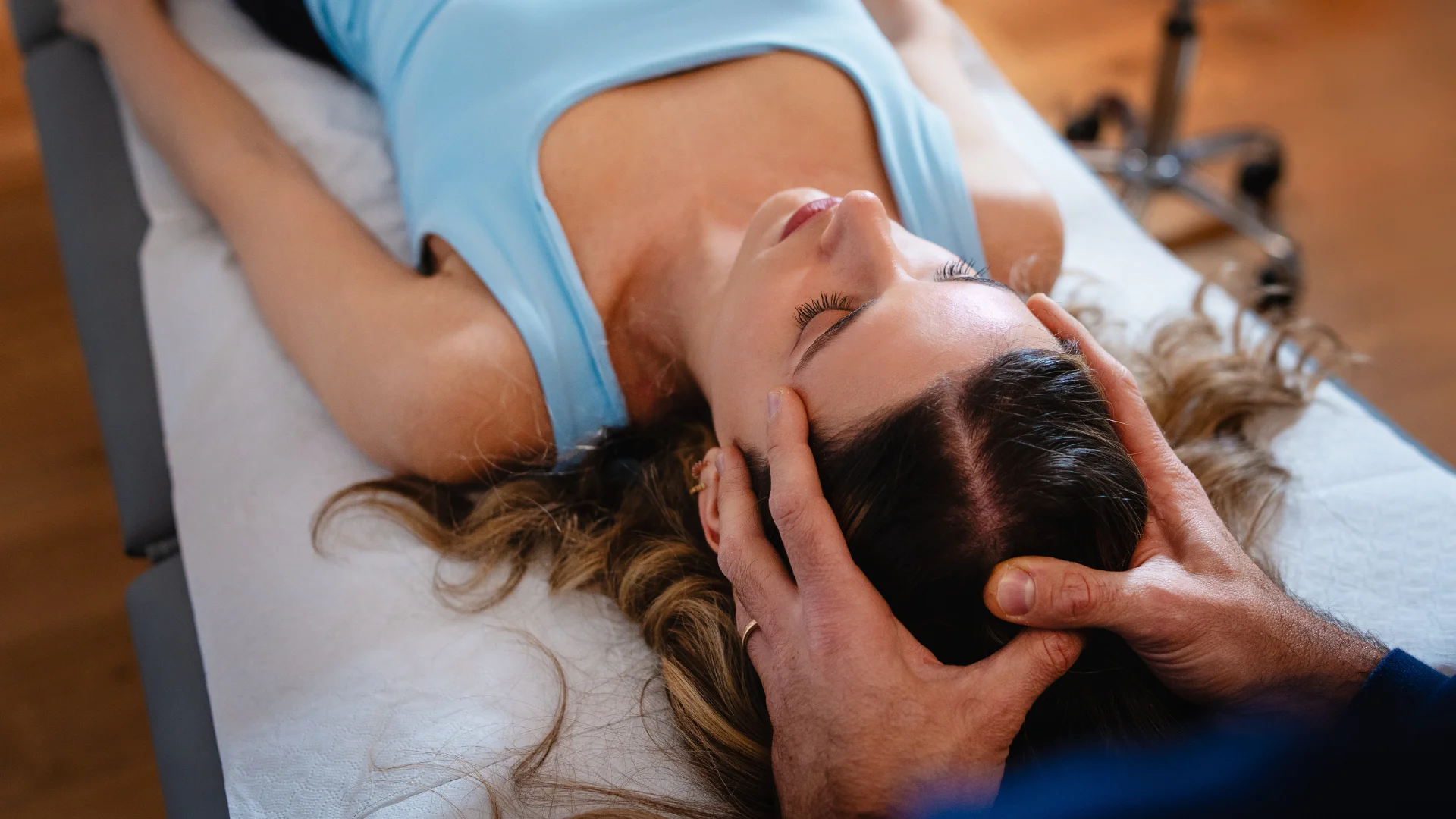
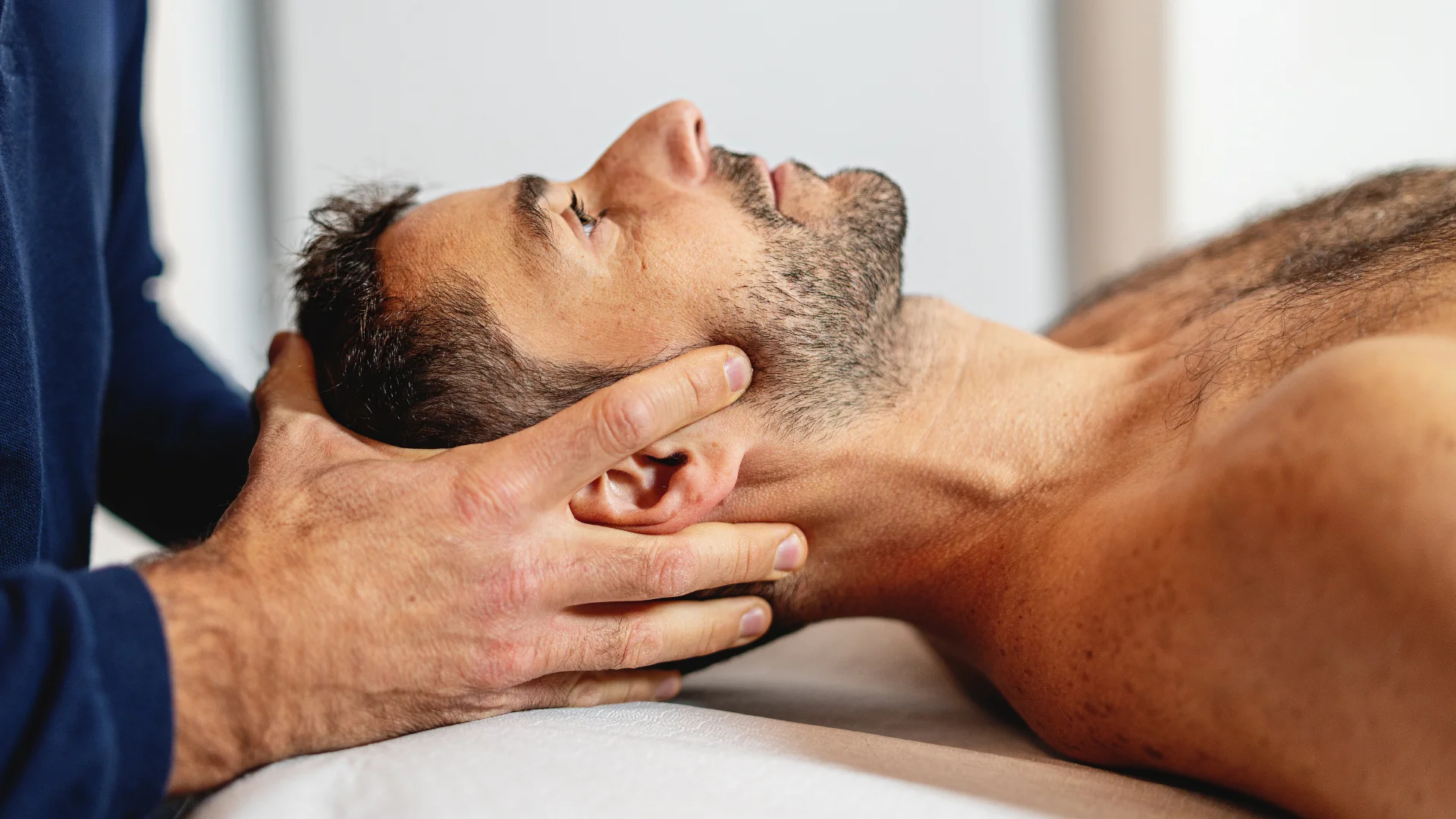
4. The Assessment and Treatment: The therapist will begin by lightly placing their hands on your body—often starting at the feet, the base of the spine (sacrum), or the head (cranium). They are tuning into your craniosacral rhythm to detect imbalances. Throughout the session, the therapist will move to different areas of your body, applying that signature feather-light touch. They may gently hold your head, rest their hands on your torso, or cradle your neck.
6. The Aftermath: After the session, you will likely feel incredibly relaxed, grounded, and lighter. Some people feel an immediate reduction in pain, while for others, the body continues to unwind and self-correct over the next 24 to 48 hours. We always recommend drinking plenty of water after your session to help your body flush out toxins released during the treatment.
Combining CST with Office Ergonomics for Long-Term Relief
While Craniosacral Therapy is a powerful tool for resetting your body, sustaining that relief requires a few mindful changes at your workstation. To get the most out of your treatments at Touch Massage & Wellness, we recommend combining CST with the following ergonomic best practices:
-
Adjust Your Monitor Height: Your screen should be at eye level. If you are looking down at a laptop all day, invest in a laptop stand and an external keyboard. This simple change drastically reduces “tech neck.”
-
Support Your Lower Back: Ensure your office chair has adequate lumbar support to maintain the natural curve of your lower spine. If your lower back is supported, your upper back and neck won’t have to work as hard to keep you upright.
-
The 20-20-20 Rule: Every 20 minutes, take 20 seconds to look at something 20 feet away. This reduces eye strain, which is closely linked to tension headaches and forward head posturing.
-
Micro-Breaks for Movement: Set a timer to stand up, stretch your chest, and roll your shoulders every hour. Movement lubricates your joints and prevents fascia from becoming sticky and restricted.
-
Integrate Other Modalities: Craniosacral Therapy pairs beautifully with other wellness treatments. For example, you might alternate CST with Deep Tissue Massage to physically knead out stubborn knots, or use Acupuncture to stimulate specific energy channels and further reduce inflammation.
Why Choose Touch Massage & Wellness in Tamarack, Edmonton?
When you are dealing with chronic pain or burnout, you need a wellness team you can trust. Located conveniently on 17th Street in the Tamarack area of Edmonton, Touch Massage & Wellness is your local sanctuary for healing and stress relief.
Here is why Edmonton professionals trust us with their care:
-
Expertly Trained Therapists: Our registered massage therapists (RMTs) and wellness practitioners have decades of combined experience. They understand the anatomical demands of desk work and possess the specialized training required to perform effective Craniosacral Therapy.
-
A True Healing Environment: From the moment you walk through our doors, our goal is to help you downshift. Our clinic is meticulously clean, exceptionally quiet, and designed to make your stress melt away before you even get on the table.
-
Comprehensive Care: We don’t just offer one type of treatment. Whether you need the gentle touch of CST, the dynamic stretching of authentic Traditional Thai Massage, or targeted therapeutic massage, we customize our approach to your exact needs.
-
Convenient Direct Billing: We know you are busy. To make your wellness routine as seamless as possible, we offer direct billing to most major insurance providers within Alberta (including Alberta Blue Cross, Sun Life, Great West Life, Green Shield, and many more).
Give Your Neck a Break Today
You do not have to accept chronic neck pain, shoulder tension, and afternoon headaches as the “normal” cost of having a desk job. Your body is incredibly resilient, and with the right support, it can heal from the repetitive strain of modern office life.
Craniosacral Therapy offers a unique, profoundly relaxing pathway to pain relief. By addressing tension at the level of the central nervous system, CST doesn’t just treat the symptoms of tech neck—it helps restore balance to your entire body.
Ready to reset your posture, clear your mind, and finally experience a workday without the heavy weight of tension on your shoulders?
[Book your Craniosacral Therapy appointment at Touch Massage & Wellness today.] Let our expert team in Edmonton help you reclaim your comfort. With our easy online booking system and direct insurance billing, profound relief is just a click away!
